Lights, Comfort, and Peace of Mind—All Without Writing Code
Pick the Right Ecosystem Backbone
Connect Lights, Thermostats, and Sensors
Sunrise to Sunset Without Lifting a Finger
Motion Plus Context Beats Simple Timers
Safer Evenings and Vacation Illusions
Schedules That Adapt to Real Life
Sensors for Comfort, Not Just Numbers
Energy-Aware Comfort on Any Budget
Security That Respects Your Privacy
Quiet Layers, Not Loud Sirens
Build tiers of response: a soft chime for a back door during the day, a phone alert with snapshot in the evening, and only then, if conditions align, a siren. Add grace periods for forgetful moments. Tie arming status to bedtime routines and away modes. A friend found their household calmer after replacing blaring alerts with thoughtful nudges. Layered, no-code logic reduces false alarms, preserves trust, and ensures serious signals cut through the noise when genuine security issues arise.
Know Who Arrived, Not Just That Someone Did
Combine geofencing, Bluetooth presence, or Wi‑Fi detection with door sensors to tailor responses. When household members arrive, lights can welcome; when an unknown device is absent, keep notifications more detailed. Add guest profiles so cleaners or dog walkers trigger respectful, expected updates. A neighbor loved how a discrete hallway light greeted their teen after late practice. These identity-aware, code-free routines transform generic alerts into meaningful context, supporting safety while celebrating normal comings and goings without drama or guesswork.
Cameras That Watch Only When Needed
Set cameras to arm when everyone has left or at night, then disable indoors when people are home. Mask private zones and rely on local storage when possible. Restrict notifications to motion plus person detection to reduce noise. One family regained comfort by pausing living room recording during movie nights. Mindful rules balance vigilance with peace, ensuring devices serve security rather than intrude. With a few toggles and schedules, you create respectful boundaries that still capture what truly matters.
Reliability, Safety, and Fail-Safes
Build for Disconnections and Storms
Choose devices that still respond locally when the internet drops, and give critical gear a small UPS to ride through brief outages. Create routines that check status on recovery, like restoring security modes or climate setpoints. Keep physical switches usable, too. A homeowner avoided chaos when a router failed because wall controls remained functional. No-code does not mean careless; it means intentionally simple, predictable systems that treat connectivity as helpful, not required, ensuring comfort and safety continue regardless.
Test Like a Pilot Before Daily Use
Run new routines in a controlled window before relying on them. Add temporary notifications, validate each trigger and condition, and document expected behavior. Invite family feedback—does the hallway dim too quickly, or does the preheat start too soon? One reader kept a quick checklist that caught a time-zone mismatch after travel. This ritual takes minutes yet prevents confusion later. By treating automations like friendly helpers you train, you grow confidence and keep surprises charming instead of disruptive.

A Five-Minute Win You Can Try Tonight
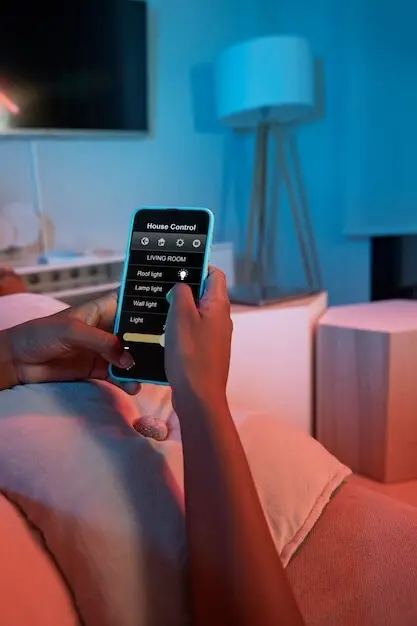
Share, Learn, Iterate

All Rights Reserved.