Pick the Right Ecosystem Backbone

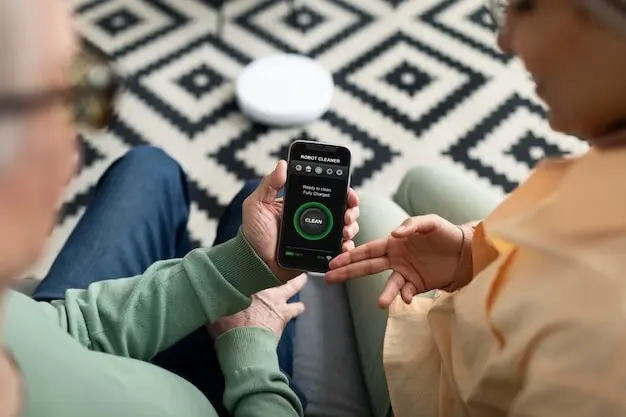
Begin by selecting a backbone that fits your devices and voice assistant preferences, such as Apple Home, Google Home, Amazon Alexa, Samsung SmartThings, or a local-first option. Consider Matter and Thread support for longevity and responsiveness. Think about family-friendliness, offline resilience, and privacy settings. A neighbor once switched platforms after connectivity headaches; their routines instantly felt smoother. Choosing wisely now means your future lighting scenes, climate schedules, and security checks can grow without painful migrations.

Connect Lights, Thermostats, and Sensors

Start with the devices you use daily: bulbs or switches in high-traffic rooms, a smart thermostat for comfort, and door, motion, or contact sensors for awareness. Keep pairing simple and label everything clearly in your app. Try one room at a time to avoid confusion. A reader told us their cluttered device list discouraged automation; after a tidy rename session, building a bedtime routine took minutes. Clarity here means faster wins and less troubleshooting later when routines expand.

Sunrise to Sunset Without Lifting a Finger

Use time-of-day and solar automations to match light to your body’s rhythm: warm and dim in the morning, cooler and brighter for focus, then cozy again at dusk. Tie settings to geographic sunrise and sunset for seasonal accuracy. Add weather awareness so gloomy afternoons softly uplift brightness. One designer reported fewer headaches after adopting circadian scenes. With no code, you can map comfort to the clock, creating consistency that calms, supports productivity, and makes evenings genuinely restorative.

Motion Plus Context Beats Simple Timers

Combine motion with conditions like ambient light, occupancy, or quiet hours so lights respond thoughtfully. A hallway routine, for instance, brightens to thirty percent after 10 p.m., avoiding harsh glare. If daylight is strong, suppress artificial light entirely. In a reader’s studio, motion tied to light sensors cut energy use dramatically. Crafting layered rules—without code—lets spaces feel attentive, not twitchy. Your home becomes a considerate host, lighting the path when needed, then fading away to preserve serenity and savings.

Safer Evenings and Vacation Illusions

Evening routines can deter unwanted attention by randomizing lights within believable windows. Pair presence detection with geofencing to shift into away mode, then let scenes move across rooms as you normally would. Blend subtle timing with missed-day variation to avoid patterns. A traveler shared that a neighbor praised the “lived-in” look during their two-week trip. With a few taps, you can orchestrate security-friendly lighting that feels organic, protecting your space while maintaining a calm, welcoming ambiance when you return.

Schedules That Adapt to Real Life

Replace static time blocks with routines that pay attention. If your phone leaves a geofenced area, ease the setpoint to save energy; when you return, precondition a favorite room. Tie adjustments to calendar events like workouts or late shifts. One nurse shared that a pre-warmed bedroom made post-midnight wind-down kinder. These simple, code-free connections honor the messy unpredictability of life, ensuring warmth or cool arrives when it actually helps, while your utility usage politely steps back when you are away.

Sensors for Comfort, Not Just Numbers

Scatter temperature, humidity, and occupancy sensors where they matter—near beds, couches, and home offices—to reflect how spaces truly feel. If humidity spikes after showers, run exhaust fans automatically. If a window is opened, pause cooling to avoid waste. A family reduced nighttime dryness by syncing humidifier routines to actual readings. No coding required, just if-then logic with sensible thresholds. Your body notices balance, not spreadsheets; sensors translate lived experience into gentle, data-informed adjustments that keep everyone comfortable without constant fiddling.

Energy-Aware Comfort on Any Budget

Even basic gear can deliver smarter comfort. Link a thermostat, a couple of sensors, and a fan plug to shape airflow and temperature. For advanced setups, integrate utility price signals or weather forecasts to pre-cool before peaks. A condo owner shaved costs by five percent using simple schedule trims. Start small, measure outcomes, and build only where it pays back. With clear routines, you can protect comfort, cut carbon, and keep control, all while avoiding the complexity of custom code.

Security That Respects Your Privacy

Quiet Layers, Not Loud Sirens

Build tiers of response: a soft chime for a back door during the day, a phone alert with snapshot in the evening, and only then, if conditions align, a siren. Add grace periods for forgetful moments. Tie arming status to bedtime routines and away modes. A friend found their household calmer after replacing blaring alerts with thoughtful nudges. Layered, no-code logic reduces false alarms, preserves trust, and ensures serious signals cut through the noise when genuine security issues arise.

Know Who Arrived, Not Just That Someone Did

Combine geofencing, Bluetooth presence, or Wi‑Fi detection with door sensors to tailor responses. When household members arrive, lights can welcome; when an unknown device is absent, keep notifications more detailed. Add guest profiles so cleaners or dog walkers trigger respectful, expected updates. A neighbor loved how a discrete hallway light greeted their teen after late practice. These identity-aware, code-free routines transform generic alerts into meaningful context, supporting safety while celebrating normal comings and goings without drama or guesswork.

Cameras That Watch Only When Needed

Set cameras to arm when everyone has left or at night, then disable indoors when people are home. Mask private zones and rely on local storage when possible. Restrict notifications to motion plus person detection to reduce noise. One family regained comfort by pausing living room recording during movie nights. Mindful rules balance vigilance with peace, ensuring devices serve security rather than intrude. With a few toggles and schedules, you create respectful boundaries that still capture what truly matters.

Reliability, Safety, and Fail-Safes

Great automations are dependable. Prepare for outages, flaky Wi‑Fi, or cloud hiccups with local-first devices, battery backups, and sensible fallbacks. Use watchdog routines to restart stalled lights or reset thermostats after power returns. Add manual overrides that anyone can understand. A storm once cut internet for a weekend; a reader’s local scenes kept life normal. Reliability is not glamorous, yet it is the difference between delight and distrust. Build in resilience early, and everything else feels effortless.

Build for Disconnections and Storms

Choose devices that still respond locally when the internet drops, and give critical gear a small UPS to ride through brief outages. Create routines that check status on recovery, like restoring security modes or climate setpoints. Keep physical switches usable, too. A homeowner avoided chaos when a router failed because wall controls remained functional. No-code does not mean careless; it means intentionally simple, predictable systems that treat connectivity as helpful, not required, ensuring comfort and safety continue regardless.

Test Like a Pilot Before Daily Use

Run new routines in a controlled window before relying on them. Add temporary notifications, validate each trigger and condition, and document expected behavior. Invite family feedback—does the hallway dim too quickly, or does the preheat start too soon? One reader kept a quick checklist that caught a time-zone mismatch after travel. This ritual takes minutes yet prevents confusion later. By treating automations like friendly helpers you train, you grow confidence and keep surprises charming instead of disruptive.

A Five-Minute Win You Can Try Tonight
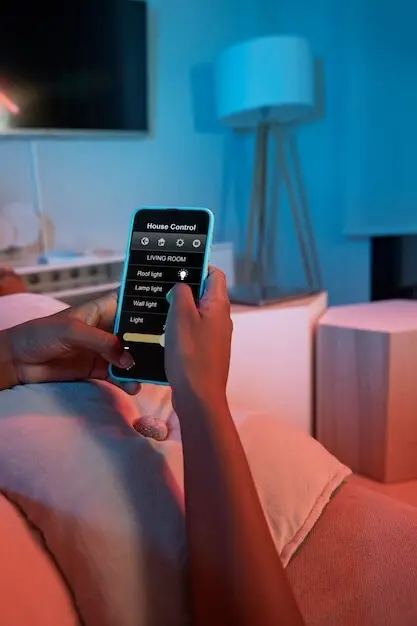
Create a bedtime routine that dims bedroom lamps to twenty percent, lowers the thermostat by two degrees, and arms quiet door alerts. Add a warm, ten-minute reading scene, then gentle fade-out. No code, just a few taps. A busy parent told us this tiny ritual improved sleep and reduced nighttime trips. Start small, observe how it feels, and adjust tomorrow. The quickest experiments often become beloved habits, proving that comfort and calm can be delightfully accessible.

Share, Learn, Iterate

Post a screenshot of your favorite routine and explain the trigger, condition, and action. Ask for ideas to simplify or improve. Someone might suggest a light sensor you overlooked or a privacy setting that eases worry. We regularly feature reader builds and honest fixes. A candid write-up about false alarms helped dozens refine nighttime logic. Community learning compounds; your contribution could be the missing puzzle piece for another home seeking balance between convenience, safety, and quiet elegance.
Ravovexokentopentosirasano
Privacy Overview

This website uses cookies so that we can provide you with the best user experience possible. Cookie information is stored in your browser and performs functions such as recognising you when you return to our website and helping our team to understand which sections of the website you find most interesting and useful.